• Link to Facebook
  • Link to Instagram
  • Book Online
  • 03 5897 7044
GV Sportscare
  • Our Team
  • Services & Fees
    • Physiotherapy
    • Podiatry
    • Myotherapy
    • Clinical Exercise (Pilates)
    • Bumps & Babies Clinical Exercise (pre and post-natal Pilates)
    • Acute Sports Injury Clinic – Ankle Injuries
    • Strength and Performance Testing
    • Additional Services
  • Contact Us
  • Blogs/FAQ
    • Blog
    • FAQ’s
  • Menu Menu

Getting back into exercise after birth – what our Mums & Bubs Pilates classes offer

January 29, 2025/0 Comments/in Uncategorized/by Sophie

Getting back into exercise after birth looks different for every mum – whether it’s a home program, gym, or joining a Pilates class!

Our Shepparton Mums & Bubs Clinical Exercise (Pilates) classes are physio-led, offering Reformer and Mat Pilates to support your postpartum return to exercise

Why physio-led classes?

  • Our Shepp physios have extra training in Women’s Health and understand the changes your body has gone through since pregnancy and giving birth
  • Classes are tailored for postnatal mums – we’ve selected exercises that we know are safe for your core and pelvic floor, and will help get your body stronger at the right pace and intensity
  • Our classes give you a platform to address common postpartum issues like pelvic floor concerns, abdominal separation and back pain (which are all really common postpartum and can be assessed and managed by a physiotherapist!) – you can discuss with the physio taking your class before you begin in our classes, or at any point during the term
  • With our expertise in Clinical Pilates, we can modify exercises for your body’s needs, ensuring a safe and effective class for everyone

Click here to watch Physio Georgie talk about all things Mums and Bubs at GV Sportscare! And here to watch a Mums and Bubs class in action at our clinic in Shepparton.

Want more information about pelvic floor and exercise? Click here to read our blog.

Are you an expecting mum? Click here to read our “a physio’s list of pregnancy, birth and newborn preparation resources”, written by Physio Sophie during her pregnancy.


-Emily Wiedemann
Shepparton Physiotherapist
GV Sportscare
https://gvsportscare.com.au/wp-content/uploads/2025/01/mums-and-bubs-pilates-postnatal-term-1.jpg 1080 1080 Sophie https://gvsportscare.com.au/wp-content/uploads/2020/01/GV-SPORTSCARE_FULL-COLOUR-LOGO-Large.png Sophie2025-01-29 11:57:432025-01-29 15:50:33Getting back into exercise after birth – what our Mums & Bubs Pilates classes offer

A podiatrist’s take on school shoes

January 22, 2025/0 Comments/in Uncategorized/by Sophie

It’s almost back to school time!

Did you know that on average, school children spend at least 30 hours a week wearing school shoes, which equals approximately 15,000 hours in their entire schooling time. Let’s make sure this time is spent in good quality shoes!


Podiatrist Tom and Ryan’s tips on what to look for in a school shoe:

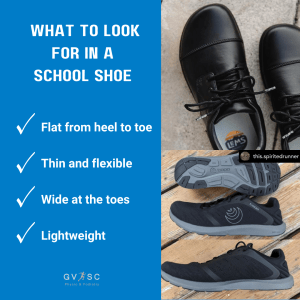
  • Lightweight – the lighter the better!
  • Flexible enough that the shoe can twist and fold in all directions
  • Flat from the heel to the ball of the foot (minimal heel drop)
  • Wide at the toes, giving the toes room to spread
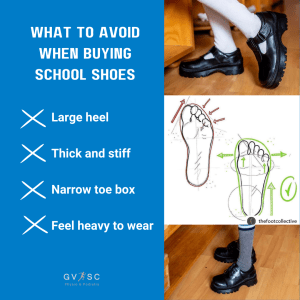
  • Avoid shoes that are stiff, have a narrow toe box or a large heel, or feel too heavy (this can be the case for many regular school shoes and what is readily available to us)  

Ideally, the shoe should allow the foot to move like it would when you are barefoot, whilst protecting the foot from the weather and any rough ground.


But why?

We know that by spending time in good quality footwear, you can expect the following positive effects:

  • Reduced injury risk, such as ankle sprains
  • Better long term foot health as the joints and muscles maintain their mobility and strength, preventing issues like bunions and ingrown toenails
  • Better posture, balance and coordination

This study based out of The University of Sydney trialed minimalist (i.e. barefoot) school shoes versus traditional stiff school shoes over a 9-month period, and it showed that children who wore the minimalist shoes had significant improvements in:

  • Toe muscle strength and muscle size
  • Greater arch height (which is associated with less foot pain)
  • Greater performance in long jump
  • Improved balance


So which shoes should we put our kids in? 

Here are some of our Shepparton Podiatrist Tom and Ryan’s favourites:

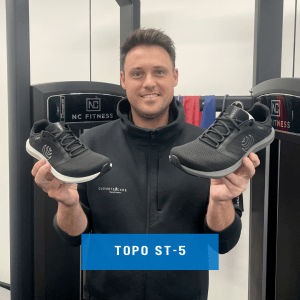
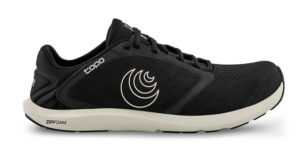
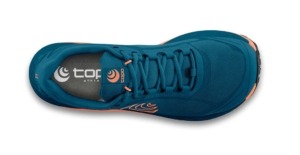
  • Topo ST-5 all black version (one of our all round personal favourites at GV Sportscare!)
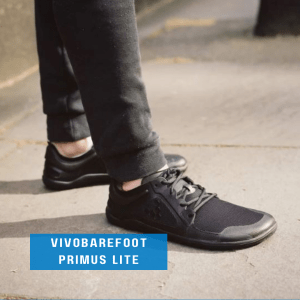
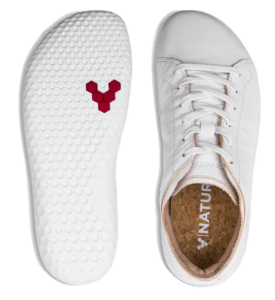
  • Vivobarefoot Primus Lite (another favourite here and worn daily by Tom and Ryan)
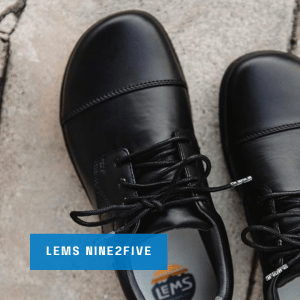
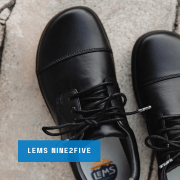
  • Lems Nine2Five
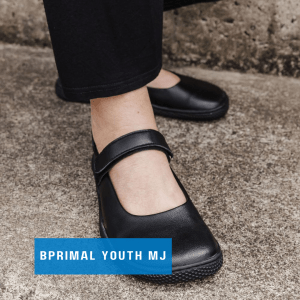
  • BPrimal Youth MJ


Book an appointment with our Shepparton Podiatrists Tom and Ryan Davey to discuss school shoes for your children.


– Emily Wiedemann
Physiotherapist
GV Sportscare Shepparton
https://gvsportscare.com.au/wp-content/uploads/2025/01/9.png 1080 1080 Sophie https://gvsportscare.com.au/wp-content/uploads/2020/01/GV-SPORTSCARE_FULL-COLOUR-LOGO-Large.png Sophie2025-01-22 12:26:222025-01-22 12:26:22A podiatrist’s take on school shoes

Myotherapy: cupping

December 18, 2024/0 Comments/in Uncategorized/by Sophie

What is it?

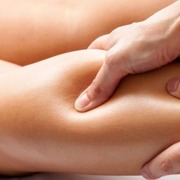
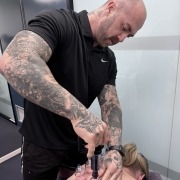
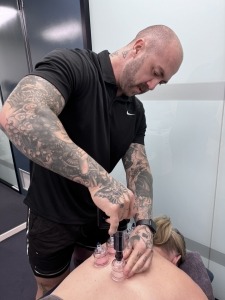
Cupping is a technique commonly used by our Shepparton Myotherapist, in conjunction with other techniques such as massage, dry needling and the Graston technique.

Using suction and negative pressure, cupping therapy helps release tight soft tissue, break up adhesions, and lift connective tissue. This process enhances blood circulation to the treated areas, delivering vital minerals and nutrients essential for muscle health.

The lifting effect of the cups also provides a gentle stretch to target myofascial trigger points (muscle knots), helping to restore the muscle’s full length, elasticity, and strength.


Benefits of cupping therapy

  • Pain Relief: Cupping therapy has been known to provide relief from muscle tension, chronic pain, and even conditions like migraines and back pain
  • Improved Circulation: By creating a vacuum effect, cupping therapy helps to enhance blood flow to targeted areas. This increased circulation can aid in transporting vital nutrients and oxygen to tissues, supporting their rejuvenation and healing.
  • Stress Reduction: The calming nature of cupping therapy induces relaxation, helping to lower stress levels.
  • Detoxification: The suction created during cupping therapy is thought to draw out toxins and waste products from the body’s tissues. This detoxification process can help promote a healthier internal environment.
  • Muscle Recovery: Athletes and active individuals often use cupping therapy to aid muscle recovery. It can alleviate muscle soreness, improve flexibility, and accelerate healing after intense physical activities.
  • Combination with Other Therapies: Cupping therapy can complement other treatments, such as acupuncture and massage, enhancing their effectiveness and contributing to a holistic wellness approach

Is it painful? What about the bruises?

One of the more interesting aspects of cupping therapy is the skin discoloration it can leave behind. These marks often resemble round circular bruises but are entirely harmless and a normal part of the cupping process – they shouldn’t be cause for concern.

It’s important to note that cupping can still be effective even without visible marks.

The color of the mark will usually fade within 24 hours but may take several days to completely disappear. Most marks fade within 4 to 10 days, although this is dependent on the individual.


– Jake Curtis
Myotherapist Shepparton
GV Sportscare

https://gvsportscare.com.au/wp-content/uploads/2024/12/IMG_6855.jpeg 2048 1536 Sophie https://gvsportscare.com.au/wp-content/uploads/2020/01/GV-SPORTSCARE_FULL-COLOUR-LOGO-Large.png Sophie2024-12-18 15:43:512025-01-10 08:24:24Myotherapy: cupping

Myotherapy: have you heard of the Graston Technique?

December 18, 2024/0 Comments/in Uncategorized/by Sophie

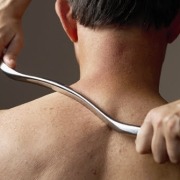
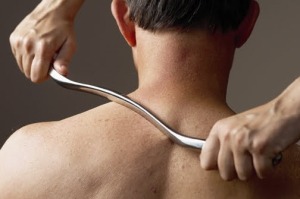
The Graston Technique is a form of instrument assisted manual therapy that involves using specialized stainless-steel tools to gently scrape or massage the skin. This method targets areas with scar tissue, muscle tension, or inflammation. By breaking down fibrous tissue and improving blood circulation to the affected regions, it can help alleviate pain, enhance mobility, and speed up recovery from soft tissue injuries.

How does it work?

The Graston method uses specially designed stainless-steel tools of different shape and sizes, that move over the skin to allow the clinician to gain feedback, identify and address areas with damaged fibrotic tissue. These instruments enable clinicians to apply precise pressure to break up scar tissue, which can restrict movement and cause pain.

The scraping action creates controlled microtrauma, triggering a localized inflammatory response that speeds up tissue repair and boosts blood flow to the area. This process not only helps reduce pain and improve function but also promotes the realignment of collagen fibres, enhancing the flexibility and strength of the affected tissues.

Who could benefit?

The Graston Technique can be highly beneficial for a variety of individuals, especially those dealing with soft tissue injuries or post-surgical scar tissue.

  • Back pain, shoulder pain and neck pain
  • Plantar fasciitis
  • Tendinopathies
  • Athletes recovering from sports injuries

Who is not a good candidate?

Your Shepparton Myotherapist will discuss whether or not this technique is appropriate for your condition, as the Graston Technique may not be suitable for everyone. Rest assured that we will assess your injuries and medical history to determine whether you’re a good candidate for the treatment.

Individuals with compromised skin, such as open wounds or active infections should avoid this treatment. It’s also not recommended for those with certain vascular conditions, like deep vein thrombosis, due to the risk of dislodging a clot. People taking blood thinners or those with bleeding disorders may be more prone to bruising and bleeding. Also, people with a recent injury may not benefit, as the microtrauma created may disrupt the initial healing processes of the body.


– Jake Curtis
Myotherapist Shepparton
GV Sportscare

https://gvsportscare.com.au/wp-content/uploads/2024/12/shepparton-myo-massage-remedial-graston.jpg 335 504 Sophie https://gvsportscare.com.au/wp-content/uploads/2020/01/GV-SPORTSCARE_FULL-COLOUR-LOGO-Large.png Sophie2024-12-18 15:42:422025-01-10 08:25:24Myotherapy: have you heard of the Graston Technique?

Myotherapy: dry needling and electrostimulation (electro-dry needling)

December 18, 2024/0 Comments/in Uncategorized/by Sophie

What is it?

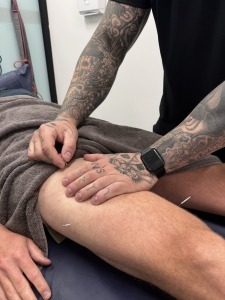
Dry needling, sometimes referred to as trigger point needling, involves inserting acupuncture-style needles into muscle trigger points to provoke a ‘twitch’ response. This response helps release or relax the trigger points. The term “dry” refers to the fact that the needles are used without any medication.

The primary goal of dry needling is to restore normal muscle function. It is typically combined with a targeted exercise program, or other manual techniques, designed to address biomechanical imbalances that contribute to muscle dysfunction and the formation of myofascial trigger points.

This approach takes aim at the root cause of the muscle dysfunction rather than simply addressing the symptoms, such as pain.

What is a trigger point?

A trigger point is the painful point can be felt as a lump, band or ‘knot’ in the muscle, and a twitch response can be elicited on stimulation of the trigger point. Palpation of the trigger point reproduces pain, and the pain radiates in a distribution typical of the specific muscle containing the trigger point or may ‘shoot’ and refer to a different area.


How does it work?

Needle penetration causes localised tissue damage, which triggers an inflammatory process. This stimulates release of small inflammatory chemicals in the body called histamine and bradykinin which results dilation of the blood vessels. This means that blood flow to the area is increased allowing for nutrient delivery and removal of waste products that the body makes after injury.

The needle’s stimulation also targets the tight muscle fibres (trigger points) promoting their relaxation.

Additionally, dry needling reduces pain through both local and central nervous system responses. The sensation from the needle insertion triggers the brain to release endorphins, the body’s natural pain relievers, providing short-term pain relief.


Electro-stimulation using dry needles:

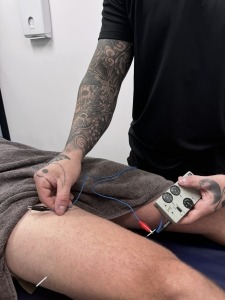
Electrostimulation with dry needles is a therapeutic technique that combines dry needling and electrical stimulation.

After the dry needles are inserted, our Shepparton Myotherapist then can apply an electrical current through the needles to stimulate the tissues.

  • The electrostimulation enhances the effects of the dry needling, speeding up tissue healing and regeneration. The electrical pulses encourage cells to migrate to the targeted area, boosting cellular activity and promoting faster recovery, ultimately supporting the restoration of balance and healing in the tissue.
  • Electrostimulation can also be a great addition to your rehabilitation program, by activating or ‘waking up’ muscles that are weak.
  • The electrical impulses can also help block pain signals from reaching the brain, reducing the sensation of discomfort.

What conditions can it help?

  • Muscle pain or tightness
  • Chronic pain
  • Neck pain
  • Low back pain
  • Muscle strains
  • Osteoarthritis
  • Tendinopathies

Dry needling and electro-stimulation can be used alongside massage, cupping and other myotherapy techniques.

Click here to read more about our Shepp Myo!


– Jake Curtis
Myotherapist Shepparton
GV Sportscare

https://gvsportscare.com.au/wp-content/uploads/2024/12/IMG_6809.jpeg 2048 1536 Sophie https://gvsportscare.com.au/wp-content/uploads/2020/01/GV-SPORTSCARE_FULL-COLOUR-LOGO-Large.png Sophie2024-12-18 15:26:302025-01-10 08:25:40Myotherapy: dry needling and electrostimulation (electro-dry needling)

Myotherapy: what is it?

December 18, 2024/0 Comments/in Uncategorized/by Sophie

Myotherapy is a form of physical therapy that focuses on the assessment, treatment, and management of musculoskeletal pain, particularly pain associated with muscle and soft tissue dysfunction. It involves the use of a variety of techniques, including manual therapy, dry needling, stretching, and corrective exercises, to alleviate pain, restore function, and improve mobility. See upcoming blogs for more on these techniques!

The main goals of myotherapy are:

  • Pain Relief: Myotherapists work to reduce or eliminate pain caused by muscle tension, trigger points (tight, painful spots in muscle tissue), and other musculoskeletal issues.
  • Improved Movement: Through targeted therapy, myotherapy helps improve range of motion and flexibility in affected muscles and joints.
  • Injury prevention: Myotherapists often provide advice on posture, ergonomics, and exercises to prevent future injury or discomfort.
  • Recovery: It is used to speed up recovery from injury or chronic musculoskeletal conditions by addressing the underlying causes of pain.

Our Shepp Myo uses a number of different techniques to get you back to feeling great!

  • Massage
  • Dry needling and electrostimulation
  • Cupping
  • Graston technique 
  • Myofascial release
  • Stretching
  • Exercise prescription

~

Myotherapists are clinicians who have undergone formal higher-level education, and are accredited and registered with a professional body such as Myotherapy Association Australia.

Our Shepparton Myotherapist often works with patients who have conditions like chronic back pain, headaches, sports injuries, postural problems, and general muscle soreness.

– Jake Curtis
Myotherapist Shepparton
GV Sportscare

https://gvsportscare.com.au/wp-content/uploads/2024/11/Sports_Massage_A_Touchy_Subject.jpg 417 794 Sophie https://gvsportscare.com.au/wp-content/uploads/2020/01/GV-SPORTSCARE_FULL-COLOUR-LOGO-Large.png Sophie2024-12-18 15:12:272025-01-10 08:25:52Myotherapy: what is it?

The Podiatry Difference at GV Sportscare

December 18, 2024/0 Comments/in Uncategorized/by Sophie

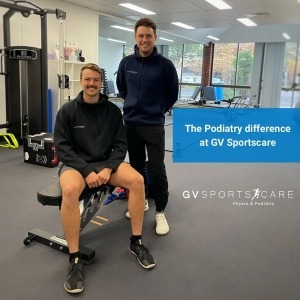
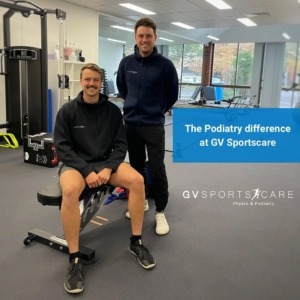
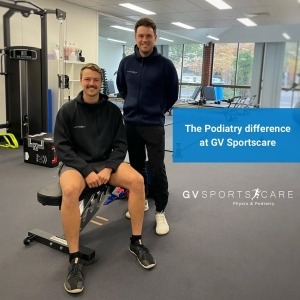
The Podiatry Difference at GV Sportscare: our Podiatrists are passionate about letting feet be feet!

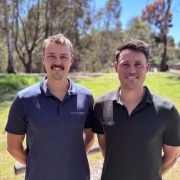
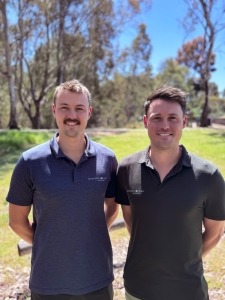
GV Sportscare Podiatrists Ryan Davey & Tom Davey


How can footwear choices impact foot pain? 

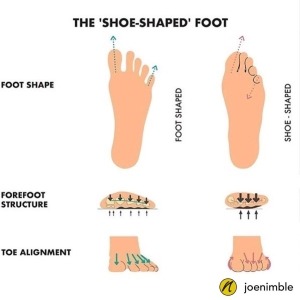
  • Fashion has dictated our footwear and this creates many challenges for the health of our feet.
  • Most shoes are too narrow and have a heel (yes even runners, check yours!).
  • Women’s shoes in particular mean that by age of 40-60 years old many women have issues with conditions like plantar fasciitis and bunions.


What does a Podiatry appointment at GV Sportscare involve?

  • Each foot is assessed as to what it can tolerate as the demands we place on our feet are different based on gender, weight, occupation, hobbies etc.
  • Our Podiatrists utilise strength work, manipulation and appropriate stretching among other treatment techniques. They are barefoot advocates ☺️
  • They will not jump straight to prescribing orthotics, unless absolutely necessary and they will always have an exit plan if orthotics are necessary.
  • They strive for their clients to learn long term strategies of how to care for your feet and choose footwear that can reverse these issues.
  • Our Shepparton Podiatrists and Physios work closely to problem solve complex cases.


So, what shoes should we be wearing?

  • Look for these features in your footwear:
    • Wide at the parts it needs to be, usually around the midfoot and forefoot
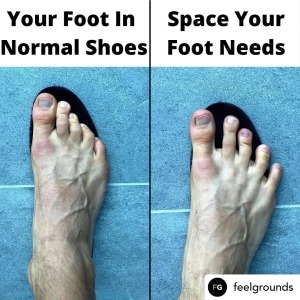
    • Doesn’t taper at the toe and squish your toes – they pass the shoe liner test!
    • Flexible and won’t compromise the foot’s ability to move and function as it was designed
  • Our Podiatrists assess whether your current footwear is helping or hindering… is it actually making your foot weaker? In the same vain as your physio would not want you using crutches for a sore knee for long periods.
  • Appropriate footwear that is wide enough is also considered for our nail care clients. Many people say ingrown nails, callous and corns appear worse in winter where we wear shoes for longer periods or with tighter footwear in general.
  • Click here for our blog post that outlines some of the shoes we currently stock.


The foot was designed perfectly, we just need to let it do it’s job!

Our Shepparton Podiatrists Tom and Ryan offer comprehensive assessments and will always go the extra mile!

Images from our friends @thefootcollective @andybryant_podiatrist @joenimble @feelgrounds @gaithappens

#podiatry #shepparton #naturalfootwear #functionalfootwear #foothealth #sheppartonpodiatry #barefoot #shoes #nailcare


– Emily Wiedemann
Physiotherapist Shepparton
GV Sportscare

https://gvsportscare.com.au/wp-content/uploads/2024/12/Podatrists.jpg 2048 1536 Sophie https://gvsportscare.com.au/wp-content/uploads/2020/01/GV-SPORTSCARE_FULL-COLOUR-LOGO-Large.png Sophie2024-12-18 13:10:002024-12-18 14:10:10The Podiatry Difference at GV Sportscare

What’s the big deal about natural footwear, and what do we stock at GV Sportscare?

September 25, 2024/0 Comments/in Uncategorized/by Sophie

To put it simply… “natural” or “barefoot” footwear are shoes that allow the foot to function as a foot!

Natural and barefoot footwear:

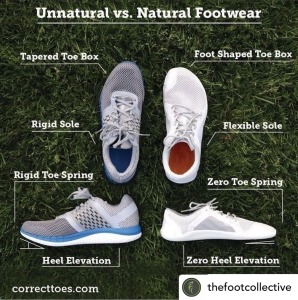
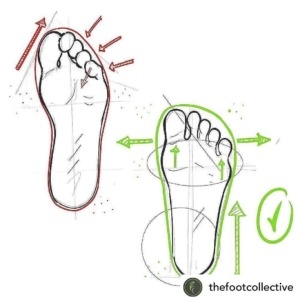
  • Is wide at the parts it needs to be, usually around the midfoot and forefoot
  • Doesn’t taper at the toe and squish your toes – they pass the shoe liner test!
  • Are flexible and won’t compromise the foot’s ability to move and function as it was designed
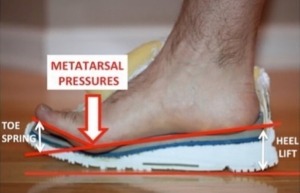
  • Don’t have a high heel drop, which mimics how our foot should normally function without shoes and as naturally as possible
  • Can make a big difference to your pain, function and performance

How many of your shoes fit this criteria?

The Shoe Liner Test. Click here to see Tom testing his shoe liner. 

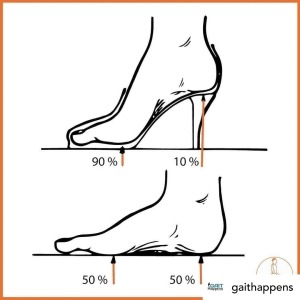
Shoes with a greater heel to toe drop angle cause more pressure on the ball of the foot. 


We stock the following brands at GV Sportscare:

Vivobarefoot Shoes 

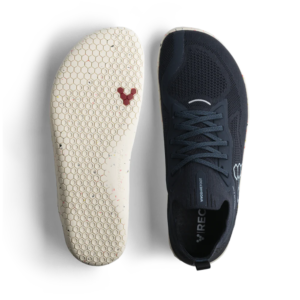
  • Minimalist design with a very thin and flexible sole – these are the most minimal design we stock here at GV Sportscare. They are designed this way to mimic the sensation of being barefoot, but still offering the foot some protection.
  • Most Vivobarefoot shoes are made from eco-friendly and even recycled materials, which is better for our environment!
  • Big range of footwear including casual, running, gym and hiking shoes.
  • These are the shoe of choice for Ryan, our Shepparton Podiatrist, for every day wear, road running and trail running (after a solid transition period from conventional footwear!). Shepparton Podiatrist Tom and Physiotherapist Emily wear Vivobarefoot shoes as their day to day shoe of choice!

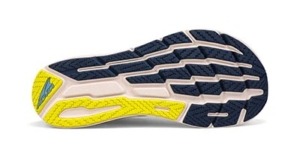
Topo Athletic Run and Trail Shoes

  • A versatile range of shoes, which range from 0mm (zero drop) to 5mm heel to toe drop, and have options for walking, gym, running and hiking.
  • We find Topo shoes ideal for a slower transition into a flatter shoe. This also makes them a good option for runners who want to transition from a shoe with a higher heel to toe drop and into flatter and more natural shaped footwear (to avoid niggles as the foot adapts!)
  • Topo shoes have varying levels of support – some are flexible whereas others are more supportive. This is ideal as our clients can meet their comfort levels with desired flexibility and also strengthen their feet along the way without getting sore.


Altra Running Run and Trail Shoes

  • Another versatile range of natural footwear for walking, gym, running and hiking.
  • Similar to our Topo range however most Altra shoes have a 0mm heel to toe drop (zero drop), but in comparison they offer more supportive options meaning they are less minimal or “barefoot” than some of our Topo or Vivobarefoot shoes.
  • We stock an Altra shoe that offered the widest fit in the midfoot that we could find, which suits people that need the space and find it difficult to find wide shoes!
  • The Altra Lone Peak shoe is Shepparton Podiatrist and Director Tom‘s shoe of choice for trail running! Click here to see them in action.

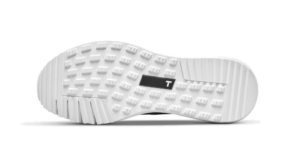
True Linkswear Golf Shoes

  • These are the widest golf shoe we could find on the market. Don’t be fooled by the pointed toe – these actually do pass the shoe liner test (for most people).
  • These aren’t zero drop and have a bit more support, so they are suitable for people who have foot injuries or might struggle in barefoot shoes.
  • A truly waterproof design so no wet feet on the golf course!
  • Tried and tested by our Shepparton Podiatrist and Director Tom, who you’ll no doubt find on the golf course on a Saturday morning!

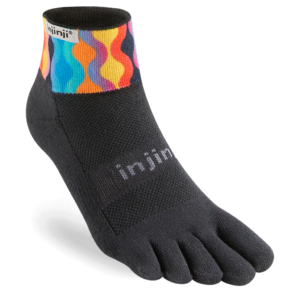
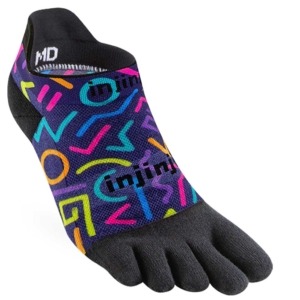
Injinji Toe Socks 

  • Our go-to brand for toe socks.
  • Why we love toe socks:
    • Allows for full spread of our toes so that we can use our whole foot for movement, unlike regular socks that compress our toes together! Get the most out of your barefoot or natural footwear by pairing them with toe socks.
    • The fabric creates a barrier between toes so they are protected against blisters, as there is less skin on skin friction and moisture is better absorbed between toes.
    • Let’s us pair socks with toe spacers so you don’t have to have cold toes while wearing toe spreaders around the house. Never heard of a toe spacer? Read on below!


Correct Toe Toe Spacers

  • Toe spacers are an orthotic device designed to fit between your toes to help improve alignment of the foot bones back to their natural shape.
  • If used progressively and consistently (i.e. not too much too soon) they can help to align the toes and strengthen the muscles connected to them, restoring your foot’s natural position and function. They can also help to improve your balance and coordination.
  • Toe spacers can also be worn during your exercise routine to increase foot muscle activation – whether that be a strength, Pilates or yoga routine! Our podiatrists commonly pair these with their clients strength programs as part of their rehabilitation plan. They are not suited to everyone right away, but in time, most people can take advantage of these gadgets.
  • They can also be used to manage bunions or toe clawing issues, as well as to decompress structures in the middle of the foot, such as an inflamed bursa or a neuroma.  

Some reasons we might transition a client to natural footwear:

  • We use natural footwear for many reasons! Including…
  • Management of musculoskeletal issues of the forefoot due to narrow footwear e.g. bunions, neuromas, as well as non-musculoskeletal issues such as ingrown toenails, callouses and so forth. They can also help to improve alignment at the hip and knees which can be important in managing other injuries!
  • Management of blisters when walking or running in conventional shoes.
  • Enhanced performance – simply allowing the foot to behave like a foot (and letting our foot muscles become strong) can play a big role in your performance!
  • As a way to help someone in their transition from having their feet always in shoes to being able to tolerate being barefoot. Enjoy the freedom of being able to walk barefoot on the beach again 🙂


Where do I start?

You will need time to transition from conventional footwear to natural footwear, particularly when choosing a shoe that has a zero heel drop.

If you are new to natural or barefoot footwear, or want to start running in barefoot shoes, we recommend you book an appointment with our Shepparton podiatrists Tom or Ryan to discuss a plan to transition to barefoot or natural shoes.

Your foot will need time to adapt!

Otherwise, call reception on 03 5897 7044 to arrange a free shoe fitting.


Click here to see Podiatrists Tom and Ryan and Practice Manager Celeste compete in the Wandi Cross Trail Run in their natural footwear, and here to see Podiatrists Tom and Ryan compete in the Rainbow Beach Trail Festival (where Ryan came in 2nd place!) in the race in their natural footwear.


– Emily Wiedemann
Physiotherapist Shepparton
GV Sportscare

https://gvsportscare.com.au/wp-content/uploads/2024/09/podiatry-shepp.jpg 1080 1080 Sophie https://gvsportscare.com.au/wp-content/uploads/2020/01/GV-SPORTSCARE_FULL-COLOUR-LOGO-Large.png Sophie2024-09-25 15:57:412024-09-26 13:00:42What’s the big deal about natural footwear, and what do we stock at GV Sportscare?

TRUE Golf Shoes available at GV Sportscare

September 16, 2024/0 Comments/in Uncategorized/by Sophie

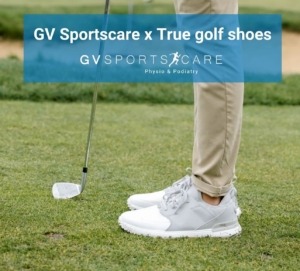
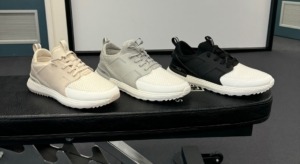
GV Sportscare are now stocking True Golf Shoes!

Why we love them:
👟 Waterproof design. No wet feet on the golf course! And easily wipes clean.

👟 Widest golf shoe we could find on the market. Don’t be fooled by the pointed toe – these actually do pass the shoe liner test (for most people) and still offer support for people who have foot injuries or might struggle in barefoot shoes.

👟 Men’s and women’s sizes available!


If you think these shoes are for you, call 58977044 to arrange a fitting. Alternatively, come in to the clinic and we can fit you on the spot.


Cost: Approx $249

#sheppartonphysio #sheppartonpodiatry #gvsportscare #shepparton #pilates #rehab #sheppartonhealthcare #naturalfootwear #golf #golfshoe

https://gvsportscare.com.au/wp-content/uploads/2024/09/golf-shoes-3-shepparton-physio-podiatrist.jpg 1164 1287 Sophie https://gvsportscare.com.au/wp-content/uploads/2020/01/GV-SPORTSCARE_FULL-COLOUR-LOGO-Large.png Sophie2024-09-16 14:13:572024-10-03 12:37:56TRUE Golf Shoes available at GV Sportscare

Now stocking The Diabetes Plan at GV Sportscare

September 11, 2024/0 Comments/in Uncategorized/by Sophie

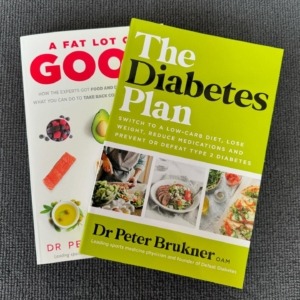
Have you read our new book while you’re in the waiting room?

We are excited to stock The Diabetes Plan at GV Sportscare, written by Dr Peter Brukner.


Peter Brukner is a leading sports medicine physician and founder of Olympic Park Sports Medicine Centre. After being diagnosed with pre-diabetes at age 60 despite following usual dietary advice we are all familiar with, Peter did a deep dive into the research around diabetes and our dietary guidelines.


Long story short, Peter reversed his pre-diabetes with a low carb high fat diet approach (the opposite to conventional guidelines!), lost weight and improved his overall health.


This book joins our book collection alongside A Fat Lot of Good also by Dr Peter Brukner, which talks more about the low carb high fat diet approach in relation to other chronic illnesses like obesity, cardiovascular disease, PCOS/fertility issues (in addition to diabetes) as well as for fuelling sports performance and breastfeeding. Both are equally good reads and are available to purchase for $40 (The Diabetes Plan) and $34.99 (A Fat Lot of Good).


Want more info? Check out our Low Carb High Fat Library where we have compiled a list of resources, or chat to our Physiotherapists and Podiatrists about it.


#sheppartonphysio #sheppartonpodiatry #gvsportscare #shepparton #sheppartonhealthcare #diabetes #lchf #diet #lowcarb


– Emily Wiedemann
Physiotherapist
GV Sportscare
https://gvsportscare.com.au/wp-content/uploads/2024/09/shepparton-physio-podiatrist-lchf-diabetes.jpg 1440 1440 Sophie https://gvsportscare.com.au/wp-content/uploads/2020/01/GV-SPORTSCARE_FULL-COLOUR-LOGO-Large.png Sophie2024-09-11 14:31:382024-09-11 14:31:38Now stocking The Diabetes Plan at GV Sportscare
Page 2 of 3123
Popular
  • physio shepparton netball injuries
    Podcast: How do you be the best sporting parent you can?...May 21, 2020 - 8:15 pm
  • Man with low back pain
    Low back pain, when to get a scan?May 1, 2020 - 3:22 pm
  • gv health Achilles pain in runner
    What is a tendinopathy and what do I do about it?March 17, 2020 - 11:08 am
  • exercise safe shepparton physio
    Safe exercise at home for the older personMay 6, 2020 - 1:14 pm

Blog Archives

  • GV Sportscare
  • Our Team
  • Service & Fees
  • Blog
  • FAQ’s
CONTACT US

Shepparton Physio & Podiatry

03 5897 7044
1/164 Welsford St, Shepparton, VIC 3630

AHPRA Certified
Scroll to top Scroll to top Scroll to top