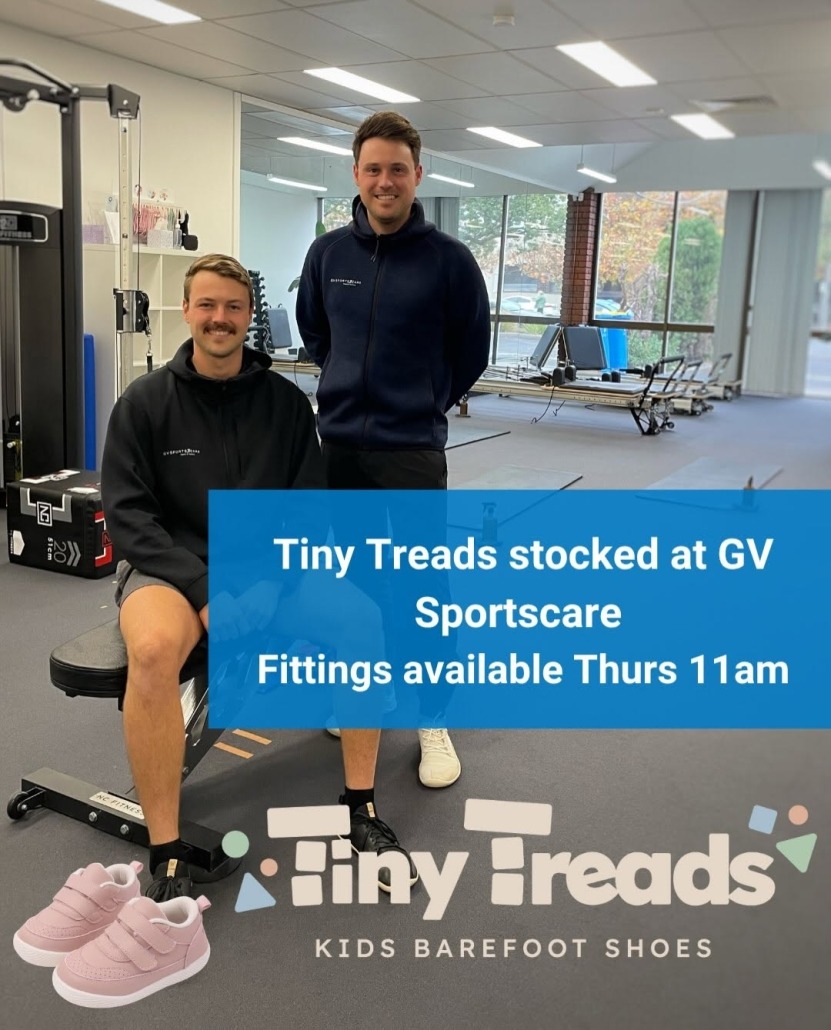
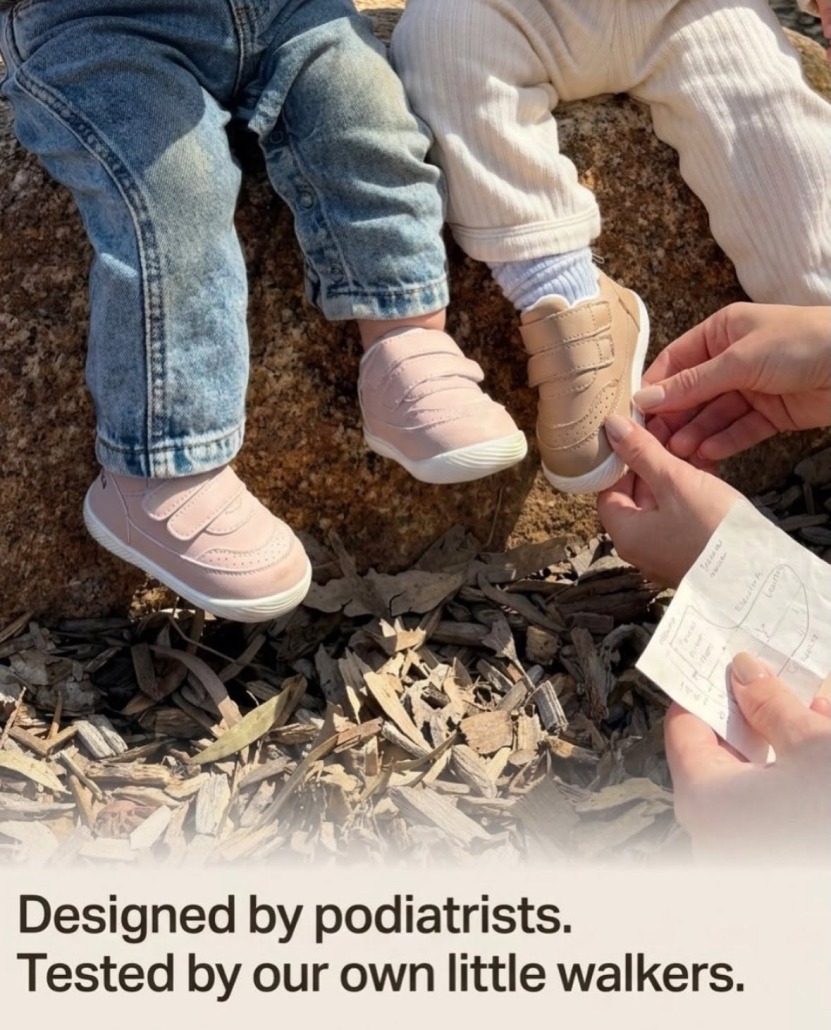
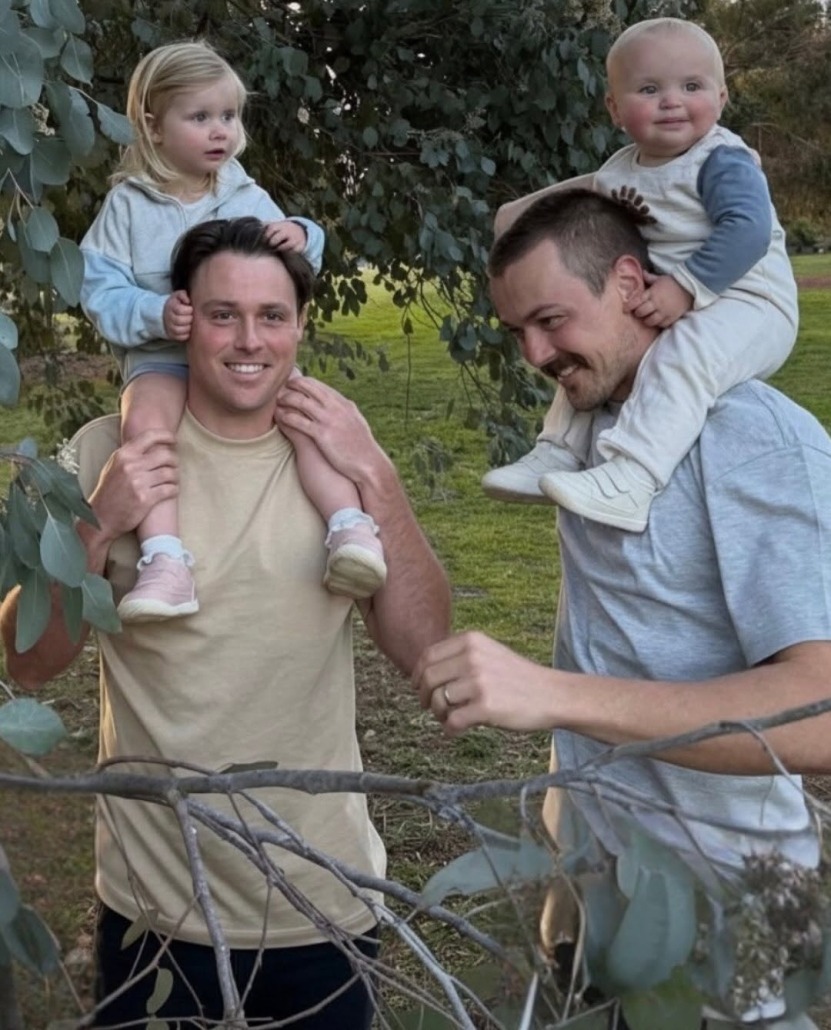
We’re excited to now stock Tiny Treads at GV Sportscare! Barefoot toddler shoes!


By Ryan Davey, Podiatrist, Shepparton
Running is one of the most accessible forms of exercise. But behind every stride lies a complex interaction of movement, muscle control, and force absorption that, if not optimised, can lead to performance plateaus or injury.
Whether you’re a weekend jogger, competitive athlete, or someone looking to return from injury, a Running Assessment offers powerful insights to keep you running stronger, safer, and smarter.
At GV Sportscare Shepparton, we’re proud to offer comprehensive running assessments that go beyond just watching you run. Here’s what it’s all about and why it’s worth considering, no matter where you are in your running journey.
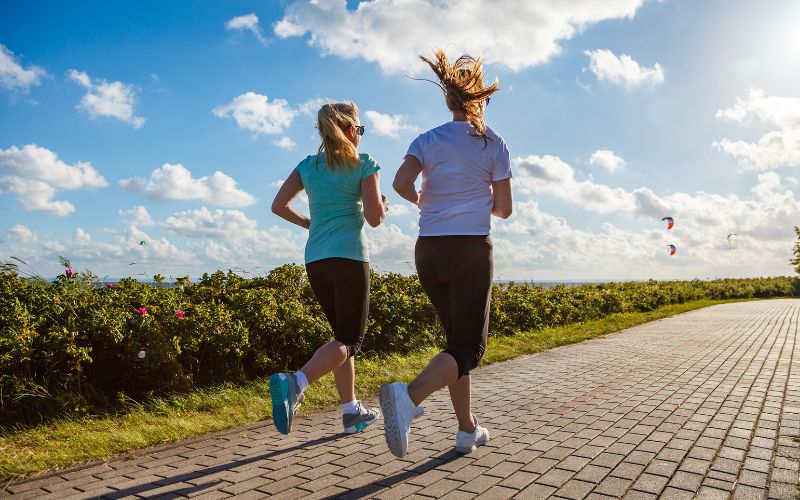
Running is incredibly healthy, but it’s also a common source of musculoskeletal injuries. In fact, injury prevalence in runners ranges from 18–92% depending on the population and context. Most injuries stem not from the act of running itself, but from how your body handles the repetitive loads placed on joints, tendons, and muscles (Barton et al., 2016).
Research led by Prof. Christian Barton At Latrobe University suggests that injury is rarely the result of one factor. Rather, it’s the outcome of a mix of load-related, biomechanical, and sometimes psychological contributors (Barton, 2017).
“Running gait” refers to the sequence of movements your body makes when you run, specifically the cycle of your legs during each stride you take while you run.
We don’t assess your running just for the sake of it – we assess to better target our interventions so that we can be confident that they add real value to your training or rehab.

_____________________________________________________________________________________________
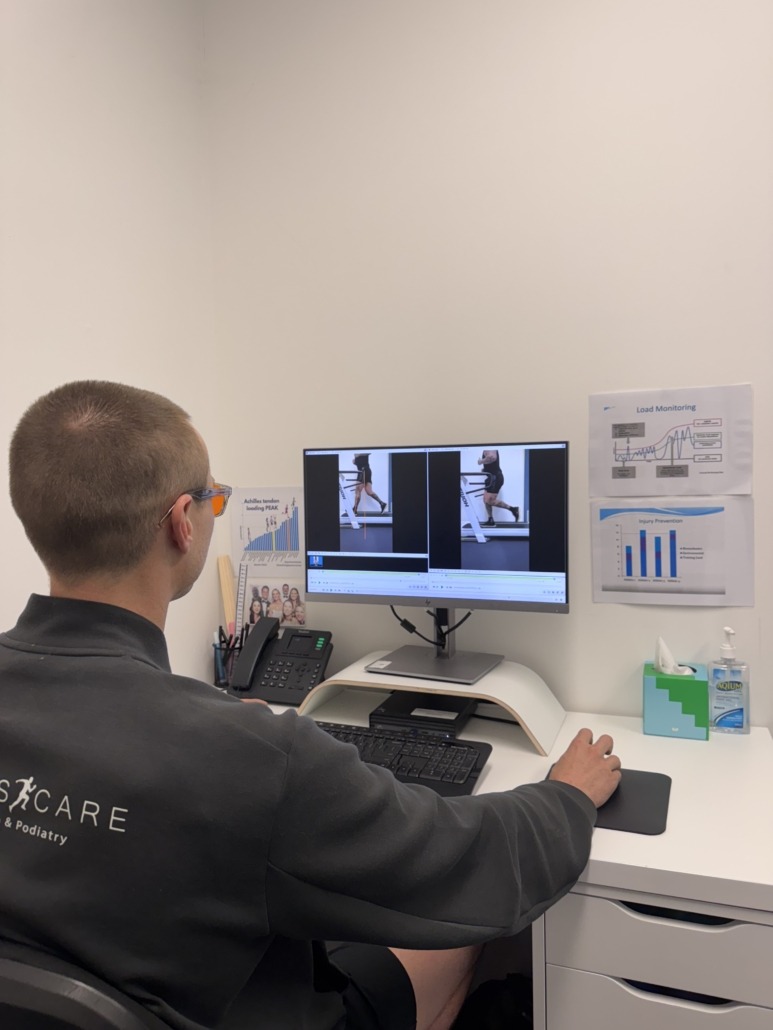
Depending on the runner and their goals, we may assess:
This means some runners may be assessed at a comfortable jog, while others may run at race pace, uphill, or with a particular shoe or orthotic – whatever best recreates your natural movement and symptoms.
_____________________________________________________________________________________________
A subtle change in technique can have a big impact. Research suggests gait retraining should follow motor learning principles, including faded verbal feedback, mirrors or video, and continued progression in practice.
If biomechanical faults are identified, we often prescribe targeted strength and conditioning. These are not generic gym routines – they’re tailored to your specific needs, and might include:
Strength training alone has been shown to improve:
We follow a process supported by strong evidence and led by expert clinical reasoning.
_____________________________________________________________________________________________
Running technique is important, but understanding your current training load and how it interacts with your body’s capacity is the cornerstone of injury prevention and rehab.
_____________________________________________________________________________________________
Shoe choice can influence mechanics, but it’s rarely the sole factor (pun intended!).
We consider:
Sometimes changing shoes can offload sensitive tissues, but more often, footwear is one piece of a broader plan. Orthotic therapy may be used in cases where there are chronic injuries or other complex issues.
_____________________________________________________________________________________________
Everyone.
That’s not a cliché – it’s supported by the literature:
Many runners think gait analysis is only for when you’re injured. That’s simply not true. In fact, many performance gains come from improving neuromuscular control, movement economy, and mechanical efficiency – all of which can be assessed and addressed in a gait assessment session.
_____________________________________________________________________________________________
A gait assessment is not about fixing every flaw. It’s about finding meaningful, individualised ways to help you run more efficiently, stay injury-free, or finally break through a plateau.
At GV Sportscare Shepparton, we take a personalised, evidence-informed approach—bridging biomechanics, clinical reasoning, and practical strategies to support every runner’s journey.
📞 Book your assessment today and take the next step in your running performance. Book online or call 03 58977044 to book a Running Analysis.
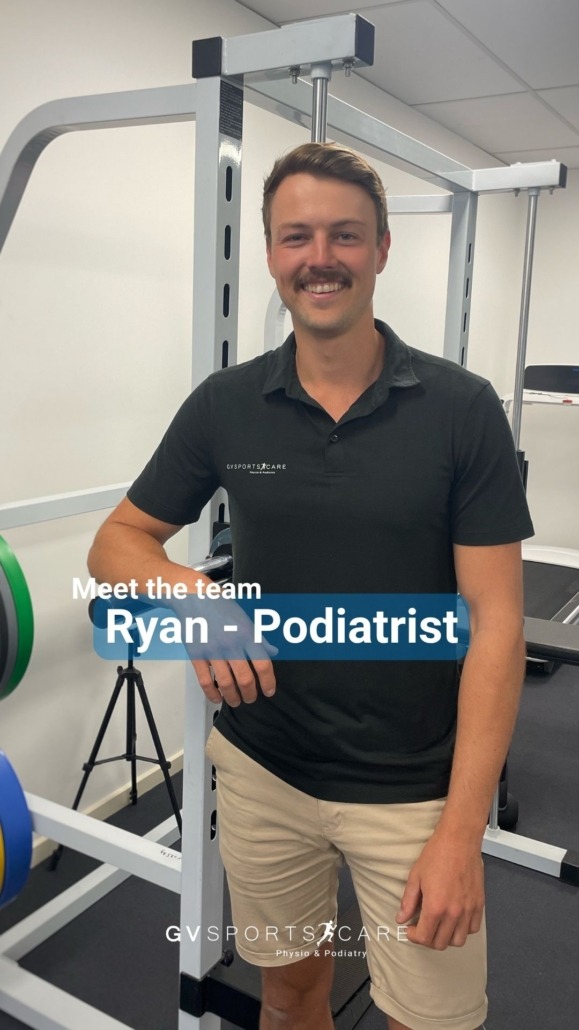
– Ryan Davey, Podiatrist, Shepparton
BIBLIOGRAPHY
Beattie, K., Kenny, I. C., Lyons, M., & Carson, B. P. (2014). The effect of strength training on performance in endurance athletes. Sports Medicine, 44(6), 845–865.
Nunes, G. S., Barton, C. J., & Serrão, F. V. (2018). Hip rate of force development and strength are impaired in females with patellofemoral pain without signs of altered gluteus medius and maximus morphology. Journal of Science and Medicine in Sport, 21(2), 123–128.
Barton, C. J., Bonanno, D. R., Carr, J., Neal, B. S., Malliaras, P., Franklyn-Miller, A., & Menz, H. B. (2016). Running retraining to treat lower limb injuries: A mixed-methods study of current evidence synthesised with expert opinion. British Journal of Sports Medicine, 50(9), 513–524.
Seitz, L. B., Reyes, A., Tran, T. T., Saez de Villarreal, E., & Haff, G. G. (2014). Increases in lower-body strength transfer positively to sprint performance: A systematic review with meta-analysis. Sports Medicine, 44(12), 1693–1702.
Barton, C. J. (2017). Managing RISK when treating the injured runner with running retraining, load management and exercise therapy. Physical Therapy in Sport, 24, 1–5.
Rendos, N. K., Harrison, B. C., Dicharry, J. M., Sauer, L. D., & Hart, J. M. (2013). Sagittal plane kinematics during the transition run in triathletes. Journal of Science and Medicine in Sport, 16(3), 259–265.

What is it?
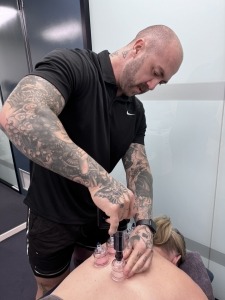
Cupping is a technique commonly used by our Shepparton Myotherapist, in conjunction with other techniques such as massage, dry needling and the Graston technique.
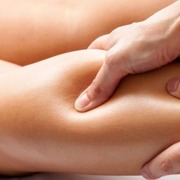
Using suction and negative pressure, cupping therapy helps release tight soft tissue, break up adhesions, and lift connective tissue. This process enhances blood circulation to the treated areas, delivering vital minerals and nutrients essential for muscle health.
The lifting effect of the cups also provides a gentle stretch to target myofascial trigger points (muscle knots), helping to restore the muscle’s full length, elasticity, and strength.

Benefits of cupping therapy
Is it painful? What about the bruises?
One of the more interesting aspects of cupping therapy is the skin discoloration it can leave behind. These marks often resemble round circular bruises but are entirely harmless and a normal part of the cupping process – they shouldn’t be cause for concern.
It’s important to note that cupping can still be effective even without visible marks.
The color of the mark will usually fade within 24 hours but may take several days to completely disappear. Most marks fade within 4 to 10 days, although this is dependent on the individual.
– Jake Curtis
Myotherapist Shepparton
GV Sportscare
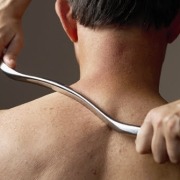
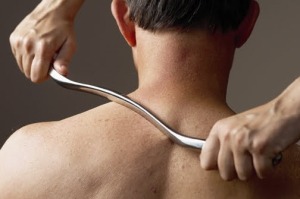
The Graston Technique is a form of instrument assisted manual therapy that involves using specialized stainless-steel tools to gently scrape or massage the skin. This method targets areas with scar tissue, muscle tension, or inflammation. By breaking down fibrous tissue and improving blood circulation to the affected regions, it can help alleviate pain, enhance mobility, and speed up recovery from soft tissue injuries.

How does it work?
The Graston method uses specially designed stainless-steel tools of different shape and sizes, that move over the skin to allow the clinician to gain feedback, identify and address areas with damaged fibrotic tissue. These instruments enable clinicians to apply precise pressure to break up scar tissue, which can restrict movement and cause pain.
The scraping action creates controlled microtrauma, triggering a localized inflammatory response that speeds up tissue repair and boosts blood flow to the area. This process not only helps reduce pain and improve function but also promotes the realignment of collagen fibres, enhancing the flexibility and strength of the affected tissues.
Who could benefit?
The Graston Technique can be highly beneficial for a variety of individuals, especially those dealing with soft tissue injuries or post-surgical scar tissue.
Who is not a good candidate?
Your Shepparton Myotherapist will discuss whether or not this technique is appropriate for your condition, as the Graston Technique may not be suitable for everyone. Rest assured that we will assess your injuries and medical history to determine whether you’re a good candidate for the treatment.
Individuals with compromised skin, such as open wounds or active infections should avoid this treatment. It’s also not recommended for those with certain vascular conditions, like deep vein thrombosis, due to the risk of dislodging a clot. People taking blood thinners or those with bleeding disorders may be more prone to bruising and bleeding. Also, people with a recent injury may not benefit, as the microtrauma created may disrupt the initial healing processes of the body.
– Jake Curtis
Myotherapist Shepparton
GV Sportscare
What is it?
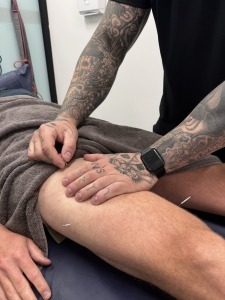
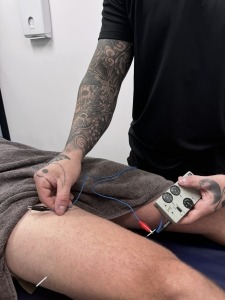
Dry needling, sometimes referred to as trigger point needling, involves inserting acupuncture-style needles into muscle trigger points to provoke a ‘twitch’ response. This response helps release or relax the trigger points. The term “dry” refers to the fact that the needles are used without any medication.
The primary goal of dry needling is to restore normal muscle function. It is typically combined with a targeted exercise program, or other manual techniques, designed to address biomechanical imbalances that contribute to muscle dysfunction and the formation of myofascial trigger points.
This approach takes aim at the root cause of the muscle dysfunction rather than simply addressing the symptoms, such as pain.

What is a trigger point?
A trigger point is the painful point can be felt as a lump, band or ‘knot’ in the muscle, and a twitch response can be elicited on stimulation of the trigger point. Palpation of the trigger point reproduces pain, and the pain radiates in a distribution typical of the specific muscle containing the trigger point or may ‘shoot’ and refer to a different area.
How does it work?
Needle penetration causes localised tissue damage, which triggers an inflammatory process. This stimulates release of small inflammatory chemicals in the body called histamine and bradykinin which results dilation of the blood vessels. This means that blood flow to the area is increased allowing for nutrient delivery and removal of waste products that the body makes after injury.
The needle’s stimulation also targets the tight muscle fibres (trigger points) promoting their relaxation.
Additionally, dry needling reduces pain through both local and central nervous system responses. The sensation from the needle insertion triggers the brain to release endorphins, the body’s natural pain relievers, providing short-term pain relief.
Electro-stimulation using dry needles:
Electrostimulation with dry needles is a therapeutic technique that combines dry needling and electrical stimulation.
After the dry needles are inserted, our Shepparton Myotherapist then can apply an electrical current through the needles to stimulate the tissues.

What conditions can it help?
Dry needling and electro-stimulation can be used alongside massage, cupping and other myotherapy techniques.
Click here to read more about our Shepp Myo!
– Jake Curtis
Myotherapist Shepparton
GV Sportscare
Myotherapy is a form of physical therapy that focuses on the assessment, treatment, and management of musculoskeletal pain, particularly pain associated with muscle and soft tissue dysfunction. It involves the use of a variety of techniques, including manual therapy, dry needling, stretching, and corrective exercises, to alleviate pain, restore function, and improve mobility. See upcoming blogs for more on these techniques!
The main goals of myotherapy are:
Our Shepp Myo uses a number of different techniques to get you back to feeling great!
~
Myotherapists are clinicians who have undergone formal higher-level education, and are accredited and registered with a professional body such as Myotherapy Association Australia.
Our Shepparton Myotherapist often works with patients who have conditions like chronic back pain, headaches, sports injuries, postural problems, and general muscle soreness.

– Jake Curtis
Myotherapist Shepparton
GV Sportscare
Clinical classes are run by fully trained physiotherapists. Physiotherapists spend 4-6 years studying in depth anatomy and biomechanics in order to learn why and how the body should move. We then use these skills to assess injuries and how best to rehabilitate them.
Pilates has been well studied as a successful mode of rehab in particular for those with neck and back pain, but can be used for most injuries. Our Clinical Exercise classes are capped at a maximum of 6 participants, meaning that each person will be closely supervised in order to prevent poor quality execution of exercises and prevent further injury.
Each participant will perform their own individual program that has been designed by our Shepparton physiotherapists, in order to address areas of weakness or correct poor movement patterns. The tailored program is progressed once quality of movement has been achieved. It is important to understand that at different stages of your life that your body adapts to increasing load differently and therefore progressions are carefully thought out by your physio.
Physios are also able to account for recent relapses or ‘flare ups’ of injury and alter your program accordingly to prevent further irritation. Physios are also able to manage multiple injuries and find a way to keep you exercising safely. We also have many clients who just like to exercise for general fitness under the supervision of a physiotherapist. For those who fall into more vulnerable groups eg pregnant, returning to exercise post pregnancy, returning to exercise post major surgery or illness, we can also account for changes in your anatomy, physiology and load tolerance to design an appropriate program.
For these reasons group physio classes is one of the only classes that are still funded by private health insurance companies as per the new government regulations.
Joseph Pilates was the inventor of Pilates and one of the machines he developed to practice Pilates is called the Reformer. A Reformer has a carriage which is flat platform and rolls back and forth on a frame. The carriage is attached to one end by springs that provide differing levels of resistance. The reformer also has straps that you can use to push or pull with your arms or legs.
You may have heard that Pilates is a great way to train your core. With the Reformer the carriage which rolls along the frame and the springs that can be changed to provide more or less support which will challenge stability and core strength. The Reformer is designed in such a way that muscle is built but joints do not feel the same type of load that traditional exercise can place in them. Therefore people find that they can challenge their body more in Pilates and build strength easier. Our Shepparton physios can change how much of your body is supported by the Reformer which will change how much support your body will need to provide to perform the exercise.
One of the great advantages of the Reformer is that due to it’s versatility and design you can exercise is many different positions and it is adjustable for individual body types an
-it’s versatility means exercises can be tailored to many different fitness levels
-it’s gentle, many exercises can be performed lying down, sitting or standing. They are generally low impact however still count as ‘weightbearing exercise’ in most instances.
-it can also be really challenging, as your awareness and core strength improves the more challenging exercises you can master.
-there is much research to prove that Clinical Pilates is very beneficial in many musculoskeletal injuries, particularly neck and low back pain.
-Sophie Woodhouse
Physiotherapist Shepparton
GV Sportscare
We have seen an increase in running injuries over the past few months in both experienced runners and those new to running.
Shepparton Podiatrist Tom explains in this video how to map out your runs and think carefully about the amount of rest in between each run. He also explains why rest days, strength and conditioning and cross training are all great ideas.
When it comes to running injuries, Tom will often help his clients to write out their weekly routine and look at what can be added or adjusted to allow the individual to continue to run while rehabbing an injury.
Tom Davey
Podiatrist Shepparton, GV Sportscare
As health professionals we have an interest in diet as we believe diet, exercise and sleep to be the most important modifiable factors impacting your health. We first came across the low carbohydrate high fat diet (LCHF) in 2018. We felt an overall improvement in our health, energy levels, weight and sleeping. Since this stage we have gone on to learn more and more about LCHF and how the food industry has lead us astray.
🥑 🌶️ 🥒 🥜 🥓 ☕️ 🥗 🧀 🐟
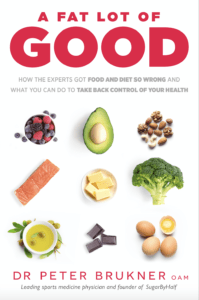
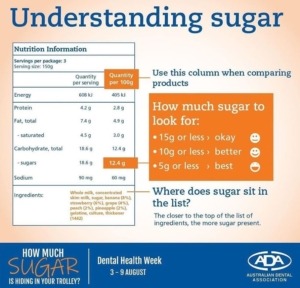
Dr Peter Brukner, the ‘founder of sports medicine’ in Australia, creator of Olympic Park Sports Medicine, left his lucrative role as sports doctor for Cricket Australia and became a full time advocate to reduce Australia’s sugar intake by half. Sophie was lucky enough to watch him evolve through this process, seeing him lecture on the topic 4 times over a number of years. Peter has joined many other top doctors around the world to look at the impact of high carbohydrate (high sugar) diets on obesity, type two diabetes and overall health. The LCHF diet is essentially returning to how we used to eat, before obesity was rampant and is not a diet so much as understanding what is healthy food and what is not. Learning from science, not from what the food industry markets to us. It is about understanding that starch breaks down to sugar and it doesn’t matter if that is found in your white bread or your banana, it still breaks down to sugar.

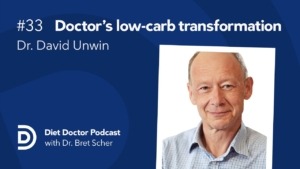
We are particularly interested in the LCHF diet as it also aligns with a low inflammatory diet and this can have a large impact on musculoskeletal and arthritic conditions. Excessive weight has been proven to negatively impact your joint health and therefore we find it important to talk about your weight and diet as part of your injury management. It also impacts the health of a diabetic and Dr David Unwin, your friendly local GP from the UK has had huge success with reversing type two diabetes via diet alone (ie drug free reversal of type two diabetes). This again links to Tom’s work as a Podiatrist providing skin and nail care for diabetics who are more at risk of ulcers and sensation/circulation complications. We had the pleasure of hearing Dr Unwin speak and he is a gentle and thoughtful Dr that has changed how he practices and truly listens to his patients. We highly recommend his content, particularly his youtube videos if you are a type two diabetic.
As we are not dieticians or nutritionists we have put together a library of resources to read and learn from. We also have close contacts of people in these industries and can point you in the direction of a helping hand. It’s also important to note that different people have different food tolerances and this will impact what food is right for you. Chose your medium, don’t try to read/listen/watch to them all!

A Fat Lot of Good, Peter Brukner
Good Calories Bad Calories, Gary Taubes
The Big Fat Surprise, Nina Teicholz

Low Carb Downunder, this website also has a list of Australian LCHF health professionals. If you are looking for a particular health professional please feel free to also speak with us.
Fat lot of good: website links, podcasts
Diet doctor: A low-carb diet for beginners
Intermittent fasting for beginners

Dr James Muecke, 2020 Australian of the Year

Dr David Unwin: HOPE on the horizon. Type 2 diabetes.
Dr. David Unwin & Dr. Jen Unwin – ‘Behaviour Change ‘In a nutshell’ & Picking our low carb battles’
Dr David Unwin: Explaining low carb in a simple way

The Fat Lot of Good website has a great list of podcasts
GP Podcast: Low carb for diabetes: Part 1, Part 2
🥑 🌶️ 🥒 🥜 🥓 ☕️ 🥗 🧀 🐟
-Sophie Woodhouse
Physiotherapist Shepparton, GV Sportscare
-Tom Davey
Podiatrist Shepparton, GV Sportscare
Image sources: