By Ryan Davey, Podiatrist, Shepparton
Running is one of the most accessible forms of exercise. But behind every stride lies a complex interaction of movement, muscle control, and force absorption that, if not optimised, can lead to performance plateaus or injury.
Whether you’re a weekend jogger, competitive athlete, or someone looking to return from injury, a Running Assessment offers powerful insights to keep you running stronger, safer, and smarter.
At GV Sportscare Shepparton, we’re proud to offer comprehensive running assessments that go beyond just watching you run. Here’s what it’s all about and why it’s worth considering, no matter where you are in your running journey.

Why Is Running Gait Analysis Important?
Running is incredibly healthy, but it’s also a common source of musculoskeletal injuries. In fact, injury prevalence in runners ranges from 18–92% depending on the population and context. Most injuries stem not from the act of running itself, but from how your body handles the repetitive loads placed on joints, tendons, and muscles (Barton et al., 2016).
Research led by Prof. Christian Barton At Latrobe University suggests that injury is rarely the result of one factor. Rather, it’s the outcome of a mix of load-related, biomechanical, and sometimes psychological contributors (Barton, 2017).
“Running gait” refers to the sequence of movements your body makes when you run, specifically the cycle of your legs during each stride you take while you run.
A gait assessment helps identify:
- Movement patterns that may overload certain tissues
- Areas of weakness or poor control (e.g. at the hip, knee, or ankle)
- Potential inefficiencies affecting your performance
We don’t assess your running just for the sake of it – we assess to better target our interventions so that we can be confident that they add real value to your training or rehab.

_____________________________________________________________________________________________
How Do We Perform a Running Gait Assessment?
Depending on the runner and their goals, we may assess:
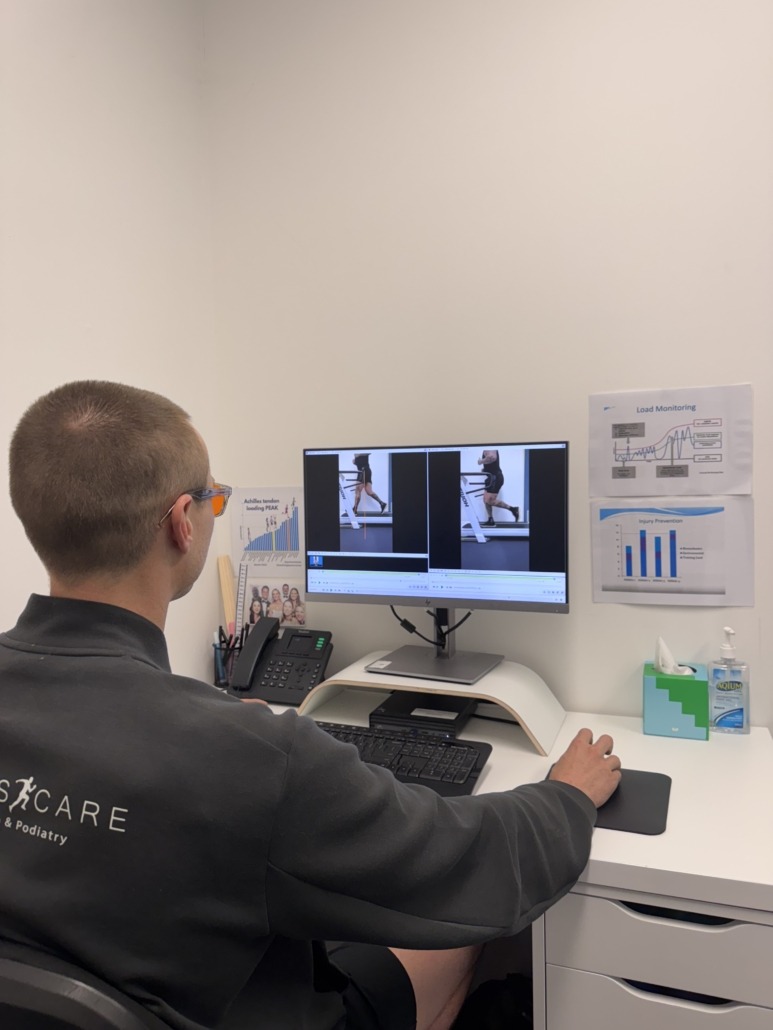
- Treadmill running: Ideal for high-speed video analysis, cueing, and real-time retraining.
- Overground running: Useful when symptoms arise only overground or at specific paces or distances.
- Economy vs Performance vs Pain Triggers
We’ll consider:
- Running economy for distance runners (how your muscles utilise oxygen while you run)
- Performance mechanics for speed-focused athletes
- Pain-based assessments, analysing form during the pace or distance that tends to aggravate your symptoms
This means some runners may be assessed at a comfortable jog, while others may run at race pace, uphill, or with a particular shoe or orthotic – whatever best recreates your natural movement and symptoms.
_____________________________________________________________________________________________
What Should You Expect?
Verbal and Visual Cues
A subtle change in technique can have a big impact. Research suggests gait retraining should follow motor learning principles, including faded verbal feedback, mirrors or video, and continued progression in practice.
Strength & Conditioning Recommendations
If biomechanical faults are identified, we often prescribe targeted strength and conditioning. These are not generic gym routines – they’re tailored to your specific needs, and might include:
- Hip strength and power drills for runners with patellofemoral pain or dynamic knee valgus (Nunes et al., 2018)
- Gluteal and calf strength for Achilles or tibial stress-related pain (Beattie et al., 2014)
- Foot and ankle mobility/stability work for overpronation or plantar fasciitis (Seitz et al., 2014)
Strength training alone has been shown to improve:
- Running economy
- Time-trial performance
- Anaerobic power (vMART) in endurance athletes (Beattie et al., 2014)
= strength training makes you run faster and better
We follow a process supported by strong evidence and led by expert clinical reasoning.

_____________________________________________________________________________________________
The Role of Load Management
Running technique is important, but understanding your current training load and how it interacts with your body’s capacity is the cornerstone of injury prevention and rehab.
- Reduce overall load if needed
- Improve your body’s capacity to tolerate it
- Shift the load away from sensitive structures
- Keep adapting to your goals and context
Load management strategies may include:
- Modifying your weekly training structure
- Introducing cross-training or active recovery
- Use evidence based progression models to ensure you aren’t increasing load too quickly.
_____________________________________________________________________________________________
What About Footwear and Orthotics?
Shoe choice can influence mechanics, but it’s rarely the sole factor (pun intended!).
We consider:
- Strike pattern (heel vs midfoot vs forefoot)
- Pronation/supination tendencies
- Stiffness and drop of the shoe
Sometimes changing shoes can offload sensitive tissues, but more often, footwear is one piece of a broader plan. Orthotic therapy may be used in cases where there are chronic injuries or other complex issues.
_____________________________________________________________________________________________
So, who are running assessments for?
Everyone.
That’s not a cliché – it’s supported by the literature:
- Recreational runners: Often show biomechanical patterns that can be improved, even without pain
- Competitive runners: Looking for performance edge and injury resilience
- Post-injury runners: Needing a safe, structured return
- Triathletes: Who often show unique gait patterns following cycling due to altered hip/pelvis dynamics (Rendos et al., 2013)
Many runners think gait analysis is only for when you’re injured. That’s simply not true. In fact, many performance gains come from improving neuromuscular control, movement economy, and mechanical efficiency – all of which can be assessed and addressed in a gait assessment session.
_____________________________________________________________________________________________
Are You Ready to Run Better?
A gait assessment is not about fixing every flaw. It’s about finding meaningful, individualised ways to help you run more efficiently, stay injury-free, or finally break through a plateau.
At GV Sportscare Shepparton, we take a personalised, evidence-informed approach—bridging biomechanics, clinical reasoning, and practical strategies to support every runner’s journey.
📞 Book your assessment today and take the next step in your running performance. Book online or call 03 58977044 to book a Running Analysis.
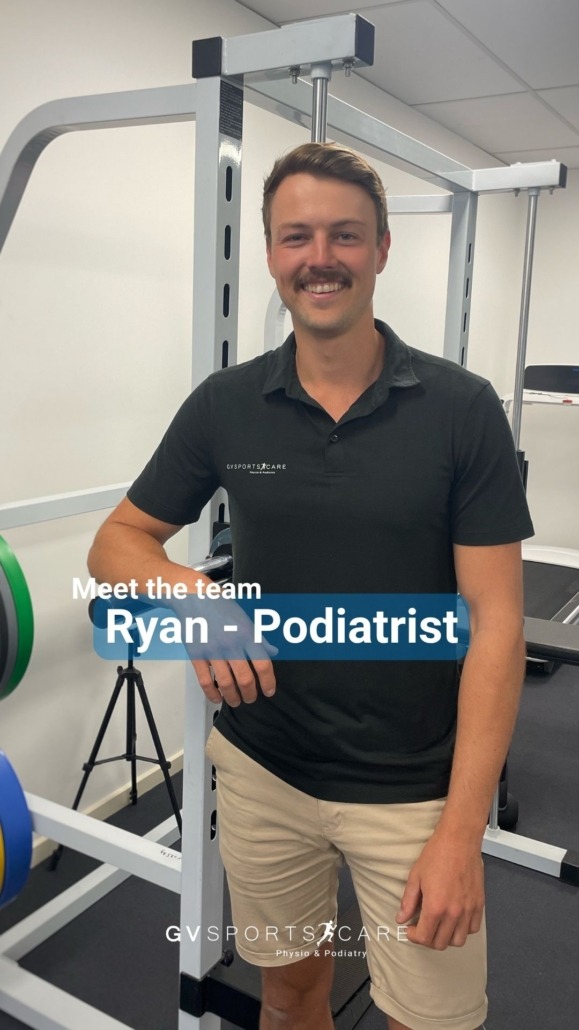 – Ryan Davey, Podiatrist, Shepparton
BIBLIOGRAPHY
Beattie, K., Kenny, I. C., Lyons, M., & Carson, B. P. (2014). The effect of strength training on performance in endurance athletes. Sports Medicine, 44(6), 845–865.
Nunes, G. S., Barton, C. J., & Serrão, F. V. (2018). Hip rate of force development and strength are impaired in females with patellofemoral pain without signs of altered gluteus medius and maximus morphology. Journal of Science and Medicine in Sport, 21(2), 123–128.
Barton, C. J., Bonanno, D. R., Carr, J., Neal, B. S., Malliaras, P., Franklyn-Miller, A., & Menz, H. B. (2016). Running retraining to treat lower limb injuries: A mixed-methods study of current evidence synthesised with expert opinion. British Journal of Sports Medicine, 50(9), 513–524.
Seitz, L. B., Reyes, A., Tran, T. T., Saez de Villarreal, E., & Haff, G. G. (2014). Increases in lower-body strength transfer positively to sprint performance: A systematic review with meta-analysis. Sports Medicine, 44(12), 1693–1702.
Barton, C. J. (2017). Managing RISK when treating the injured runner with running retraining, load management and exercise therapy. Physical Therapy in Sport, 24, 1–5.
Rendos, N. K., Harrison, B. C., Dicharry, J. M., Sauer, L. D., & Hart, J. M. (2013). Sagittal plane kinematics during the transition run in triathletes. Journal of Science and Medicine in Sport, 16(3), 259–265.


 We’re excited to now stock Tiny Treads at GV Sportscare!
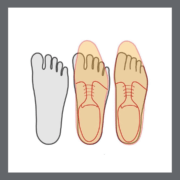
 Wide toe box to let little toes spread naturally
 Need help finding the right size?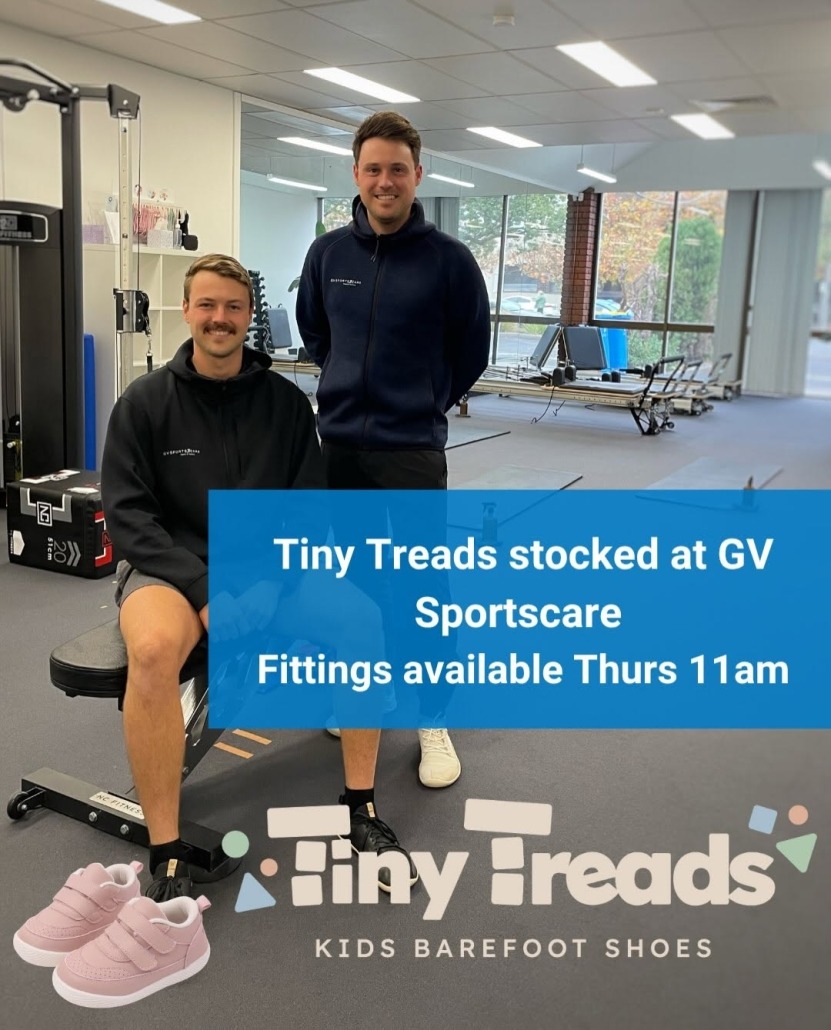








 Shepparton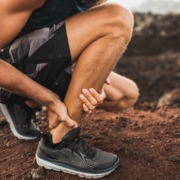
 Most people are surprised to find that their physio or podiatrist is very keen to get them off crutches ASAP. In severe ankle sprains or suspected fractures, crutches are required, however in the mild to moderate ankle sprain crutches will actually slow down your recovery. Crutches reduce the weightbearing through the joint (which is a good thing if there is too much pain and damage). However in a mild to moderate injury it is unnecessary and will cause you to lose movement and strength, which you will need to work harder to regain as part of your rehab. Your Shepparton Physio or Podiatrist are able to assess your injury and guide you as to whether or not crutches are required and work with you to wean you off them!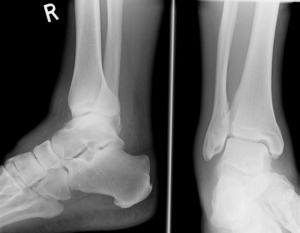
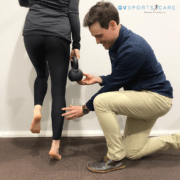
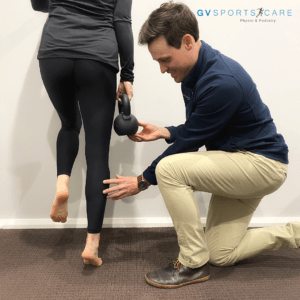
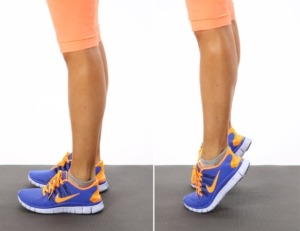 The sooner you can be seen by your Podiatrist or Physio the better. When we waste a few days with the wrong management you are slowing down your recovery. Most people think injuries are a time based recovery, ie I have sustained a grade one ankle sprain therefore I will be back to sport in 2 weeks. This is partly true, injuries require healing and that takes time. However from our point of view your return to sport or activity is mostly based on ticking off certain criteria. For example can you raise onto your toes, can you stand on one leg, can you hop, can you run, etc. If you can’t do these things it doesn’t matter if your two weeks has passed, you are still not ready to return to activity. We then base our rehab on what you can and can’t do and aim to progress you on as quickly as possible.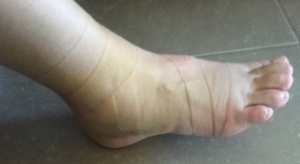
 In the first 48-72 hours of your injury it is recommended to avoid anti inflammatories such as ibuprofen (Nurofen) and Voltaren. This is because the inflammation that occurs is your body’s response to injury and it actually brings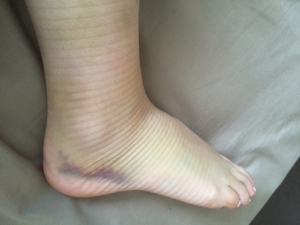
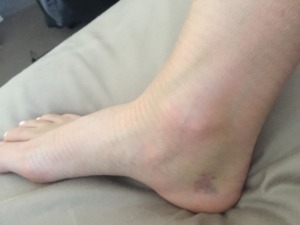
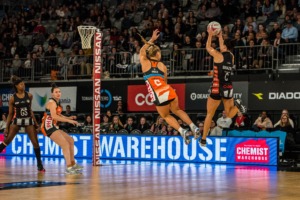 One of the biggest risk factors for future ankle sprain is previous ankle sprain. While those with mild ankle sprains will likely manage to get back to sport, the issue we commonly see is that the injury has caused a loss of range of motion, strength, balance or coordination on that side. Therefore you can understand how even though you have returned to sport that these deficiencies can result in subsequent ankle sprains and more time away from the sport that you love! With simple assessment and exercises we can get you on track to work on these deficiencies and therefore reduce your risk of future ankle injury!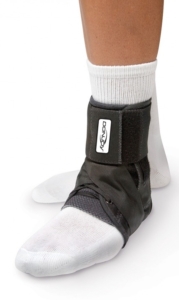
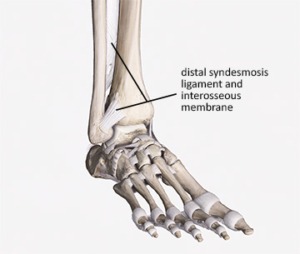



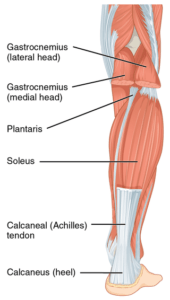
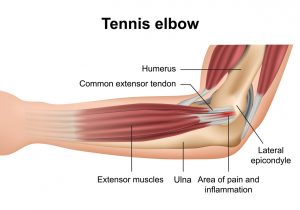 Tendon injuries typically occur when your tendon is unable to adapt to the load you expose it to, often if you train at an intensity that is too high and or there is not enough recovery time after activity before you train again. We also see tendon injuries when a person takes up a new activity or sport for the first time, exposing the tendon to new types of movements and loads or a heavy dose of an activity they don’t normally perform; eg elbow pain resulting from a twice per year gardening project.